

Trusted by more than +150 companies around the globe





Malware Detection and Removal Services
Protect your systems with our expert malware detection and removal services, ensuring a secure and safe digital environment.
Learn MoreContent Delivery Network (CDN) Solutions
Enhance your website's speed and reliability with our Content Delivery Network solutions for seamless global content delivery
Learn More24/7 Security Support Services
Access our 24/7 security support services for immediate assistance, ensuring your systems remain safe and protected at all times
Learn MoreCybersecurity and Programming Tutorial With Certification
Explore essential concepts in cybersecurity and programming, equipping you with skills to secure and develop applications.
Learn More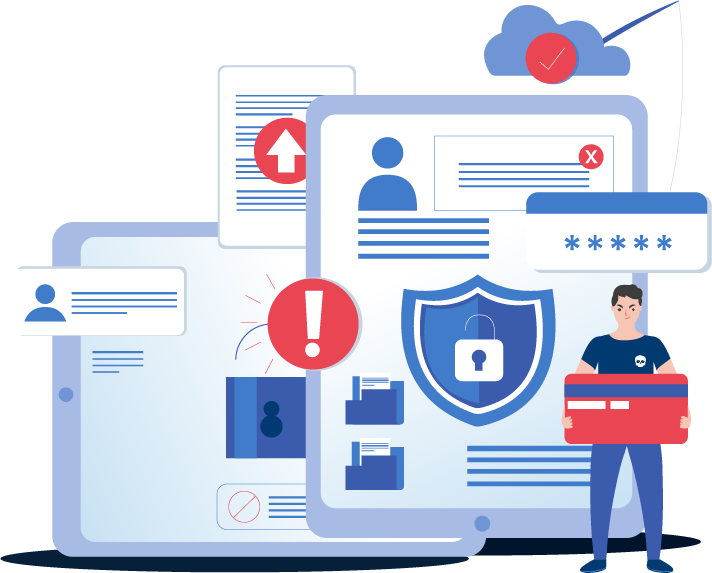
Our Agency: Experts in Cybersecurity and Data Management
Our agency specializes in cybersecurity and data management, offering comprehensive, tailored solutions designed to safeguard your digital assets. With a team of experienced professionals, we ensure your data remains secure, enhancing your organization’s resilience against cyber threats while optimizing data usage and compliance.
- Understand security and compliance
- Extremely low response time
- Always ready for your growth
We Provide Professional
Security Solutions
Cybershield Tech are always ready to protect your data
Cybershield Tech are always ready to protect your data
Cybershield Tech are always ready to protect your data
Cybershield Tech are always ready to protect your data
Cybershield Tech are always ready to protect your data
Cybershield Tech are always ready to protect your data
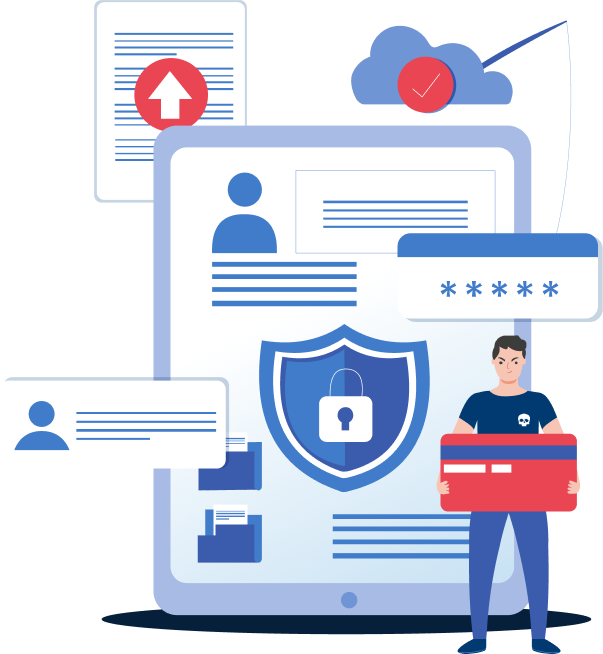
Experts Help You to Enhance Your Cyber Defenses
Banking Security
Our banking security solutions provide comprehensive protection against cyber threats, ensuring the safety of financial transactions and sensitive customer data. We implement advanced security measures, including encryption, fraud detection, and compliance protocols, to safeguard your banking operations and maintain trust with your clients.
- Focus on The Basics
- Educate Customers
- Tighten Internal Controls
- Be Proactive
Manufacturing
Manufacturing relies heavily on ICS and OT to manage equipment and production lines. Cybersecurity measures can protect these systems from hacking, which could otherwise lead to production halts or equipment malfunctions.
- Focus on The Basics
- Educate Customers
- Tighten Internal Controls
- Be Proactive
Oil And Gas
Cybersecurity in the oil and gas industry helps protect critical infrastructure from cyber threats, ensuring the safety of operations, preventing data breaches, safeguarding control systems from sabotage, and maintaining uninterrupted production while adhering to regulatory compliance.
- Focus on The Basics
- Educate Customers
- Tighten Internal Controls
- Be Proactive
Insurance Security
Insurance security refers to the measures and practices employed by insurance companies to protect sensitive data, ensure compliance with regulations, and maintain the integrity of their operations. Given the increasing threats from cyberattacks and data breaches, insurance security is crucial for safeguarding customer information, policy details, and financial transactions. Here are key aspects of insurance security: Data Protection: Implementing encryption, access controls, and data masking to safeguard sensitive customer information, including personal identifiable information (PII) and health records. Regulatory Compliance: Adhering to industry regulations such as the Health Insurance Portability and Accountability Act (HIPAA) and the General Data Protection Regulation (GDPR) to ensure the legal protection of customer data. Risk Assessment: Conducting regular assessments to identify vulnerabilities in systems and processes, helping to mitigate potential risks before they can be exploited. Incident Response Plans: Developing and maintaining a robust incident response strategy to quickly address any security breaches, minimize damage, and ensure business continuity. Employee Training: Providing regular training to employees on cybersecurity best practices, social engineering awareness, and the importance of safeguarding sensitive information. Network Security: Utilizing firewalls, intrusion detection systems, and secure authentication methods to protect against unauthorized access and cyber threats. Third-party Risk Management: Evaluating and monitoring the security practices of third-party vendors and partners to ensure they adhere to security standards and do not pose additional risks.
- Focus on The Basics
- Educate Customers
- Tighten Internal Controls
- Be Proactive
Healthcare Security
Cybersecurity in healthcare protects sensitive patient data and critical medical systems from cyber threats, ensuring confidentiality, integrity, and availability of health information. It helps prevent data breaches, ransomware attacks, and unauthorized access to electronic health records (EHRs), thereby safeguarding patient safety, maintaining trust, and ensuring compliance with regulations such as HIPAA.
- Focus on The Basics
- Educate Customers
- Tighten Internal Controls
- Be Proactive
Here Are the Most Common Questions From Clients
Encryption is a security measure that transforms data into a coded format to protect it from unauthorized access, ensuring confidentiality and integrity during storage or transmission. In contrast, hacking refers to the act of exploiting vulnerabilities in systems or networks to gain unauthorized access to data or resources, often for malicious purposes. While encryption is a defensive technique used to secure information, hacking is an offensive action that seeks to bypass those protections.
When securing a server, I like to think of it as fortifying a castle. First, I start by building the outer walls—this is like configuring a firewall, ensuring only the necessary ports are open for communication and everything else is locked down. Next, I dig a moat around it by enabling strong encryption protocols (such as SSL/TLS) to protect data as it flows in and out of the server, so no one can easily intercept it. Then, I focus on the gatekeepers—this involves setting up multi-factor authentication (MFA) and strong password policies to make sure only authorized individuals can access the server. Just like you'd want guards at the gate, these extra layers of security ensure even if a password is stolen, the server remains safe.
A firewall is a security device or software that monitors and controls incoming and outgoing network traffic based on predetermined security rules. It acts as a barrier between a trusted internal network and untrusted external networks, such as the internet, to prevent unauthorized access, cyberattacks, and data breaches. Why Firewalls Are Used: Traffic Monitoring: Firewalls inspect data packets and determine whether to allow or block traffic based on security policies. Protection Against Threats: They help safeguard networks from various threats, including malware, unauthorized access, and denial-of-service attacks. Access Control: Firewalls enable administrators to set rules that define who can access specific resources within the network. Network Segmentation: By creating zones within a network, firewalls help limit the spread of threats and contain potential breaches. Logging and Alerts: Firewalls can log traffic data and generate alerts for suspicious activities, providing valuable information for security analysis.
Yes, mobile devices do present security risks, primarily due to their widespread use, connectivity, and the sensitive data they often store. Here are some key risks associated with mobile devices: Malware and Viruses: Mobile devices can be targeted by malicious software, which can steal data, track user activities, or compromise device functionality. Data Breaches: If not adequately secured, mobile devices can be vulnerable to unauthorized access, leading to potential data breaches that expose personal and sensitive information. Loss or Theft: Mobile devices are often lost or stolen, and if not properly protected, they can be accessed by unauthorized individuals who may exploit the data stored on them. Unsecured Networks: Many users connect to public Wi-Fi networks without proper security measures, making it easier for attackers to intercept data and launch attacks. Phishing Attacks: Users may fall victim to phishing attempts via text messages or apps, leading to the compromise of sensitive information such as passwords and financial data. Outdated Software: Devices that are not regularly updated may have vulnerabilities that can be exploited by attackers. Insecure Apps: Downloading apps from untrusted sources can introduce security risks, as these apps may contain vulnerabilities or malicious code.
Encryption and hacking are fundamentally different concepts in the realm of cybersecurity: Encryption is a protective measure that converts data into a coded format using algorithms, making it unreadable to unauthorized users. The primary purpose of encryption is to secure sensitive information during storage and transmission, ensuring confidentiality and integrity. Only individuals with the correct decryption key can access the original data. Hacking, on the other hand, refers to the unauthorized access or manipulation of computer systems and networks. Hackers exploit vulnerabilities to gain access to sensitive information or disrupt services, often for malicious purposes such as theft, data breaches, or sabotage.
The costs of a cyber attack can be substantial and varied, impacting organizations in multiple ways. Here are some key cost categories associated with cyber attacks: Direct Financial Losses: Ransom Payments: Organizations may pay ransoms to recover access to their data or systems. Fraudulent Transactions: Financial losses due to unauthorized transactions or theft of funds. Operational Disruption: Downtime: Loss of revenue and productivity during system outages caused by attacks. Restoration Costs: Expenses related to restoring systems, data recovery, and repairing damage. Reputation Damage: Loss of Customer Trust: Customers may leave if they feel their data is not secure, leading to lost business. Negative Publicity: Media coverage of a breach can harm an organization's reputation and brand image. Legal and Regulatory Costs: Fines and Penalties: Non-compliance with data protection regulations (e.g., GDPR, HIPAA) can result in significant fines. Legal Fees: Costs associated with lawsuits or legal proceedings stemming from a data breach. Increased Cybersecurity Expenses: Investments in Security: Organizations may need to invest in enhanced cybersecurity measures after an attack. Insurance Premiums: Cyber insurance costs may increase following an incident. Loss of Intellectual Property: Stolen Trade Secrets: If proprietary information is compromised, it can lead to competitive disadvantages. Long-term Consequences: Market Share Loss: Sustained damage to reputation can lead to a decrease in market share and long-term profitability.
Elevate Your Career with Our Cybersecurity and Programming Certification Course
Master the essential skills in cybersecurity and programming to thrive in today's digital landscape.